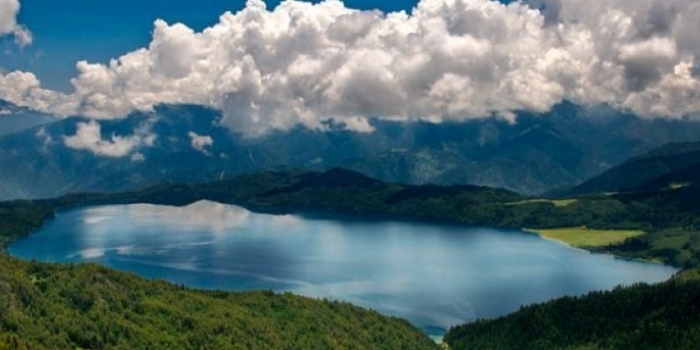
Why to Going on a Solo Trek in Nepal?
Nepal, a Himalayan paradise, is a dream destination for adventure enthusiasts. And there's no better way to immerse yourself in its breathtaking landscapes and rich culture than by going on a solo trek. Solo trekking in Nepal offers an unparalleled opportunity to connect with nature, challenge yourself, and discover your inner strength.
Unlike group treks, solo trekking allows you to set your own pace, explore hidden trails, and truly experience the solitude of the mountains. Nepal's diverse terrain, from the towering peaks of the Everest region to the lush valleys of Annapurna, caters to every solo trekker's desires. Whether you're seeking a spiritual journey, a physical challenge, or simply a chance to escape the hustle and bustle of everyday life, solo trekking in Nepal is the perfect adventure.
Popular Solo Trekking Routes in Nepal
Nepal boasts a plethora of trekking trails, each offering unique experiences. For solo adventurers, choosing the right route is crucial. Let's explore some of the most popular options:
Everest Base Camp Trek
A bucket list adventure for many, the Everest Base Camp trek is a challenging yet rewarding journey. While it's often crowded, you can find solitude on side trails and early morning starts. The trek offers breathtaking mountain vistas, Sherpa culture, and the thrill of reaching the world's highest base camp.
Annapurna Circuit Trek
This iconic trek showcases Nepal's diverse landscapes, from lush valleys to arid deserts and towering peaks. The Annapurna Circuit is ideal for solo trekkers who enjoy a mix of challenges and rewards. You'll encounter friendly locals, encounter diverse cultures, and experience the magic of the Annapurna region.
Langtang Valley Trek
Relatively less crowded than Everest and Annapurna, the Langtang Valley offers a quieter and more intimate trekking experience. This region is known for its stunning landscapes, Tamang culture, and the opportunity to see rare red pandas. Solo trekkers can immerse themselves in nature and enjoy peaceful moments along the trail.
Other Notable Options
Beyond these classic routes, Nepal offers countless other possibilities for solo adventurers. Consider the Ghorepani Poon Hill trek for stunning sunrise views, the Mardi Himal trek for a less crowded alternative to Annapurna, or the Khopra Ridge trek for breathtaking panoramas.
Remember, choosing the perfect solo trek depends on your fitness level, experience, available time, and personal preferences. Research thoroughly and plan accordingly to make the most of your adventure.
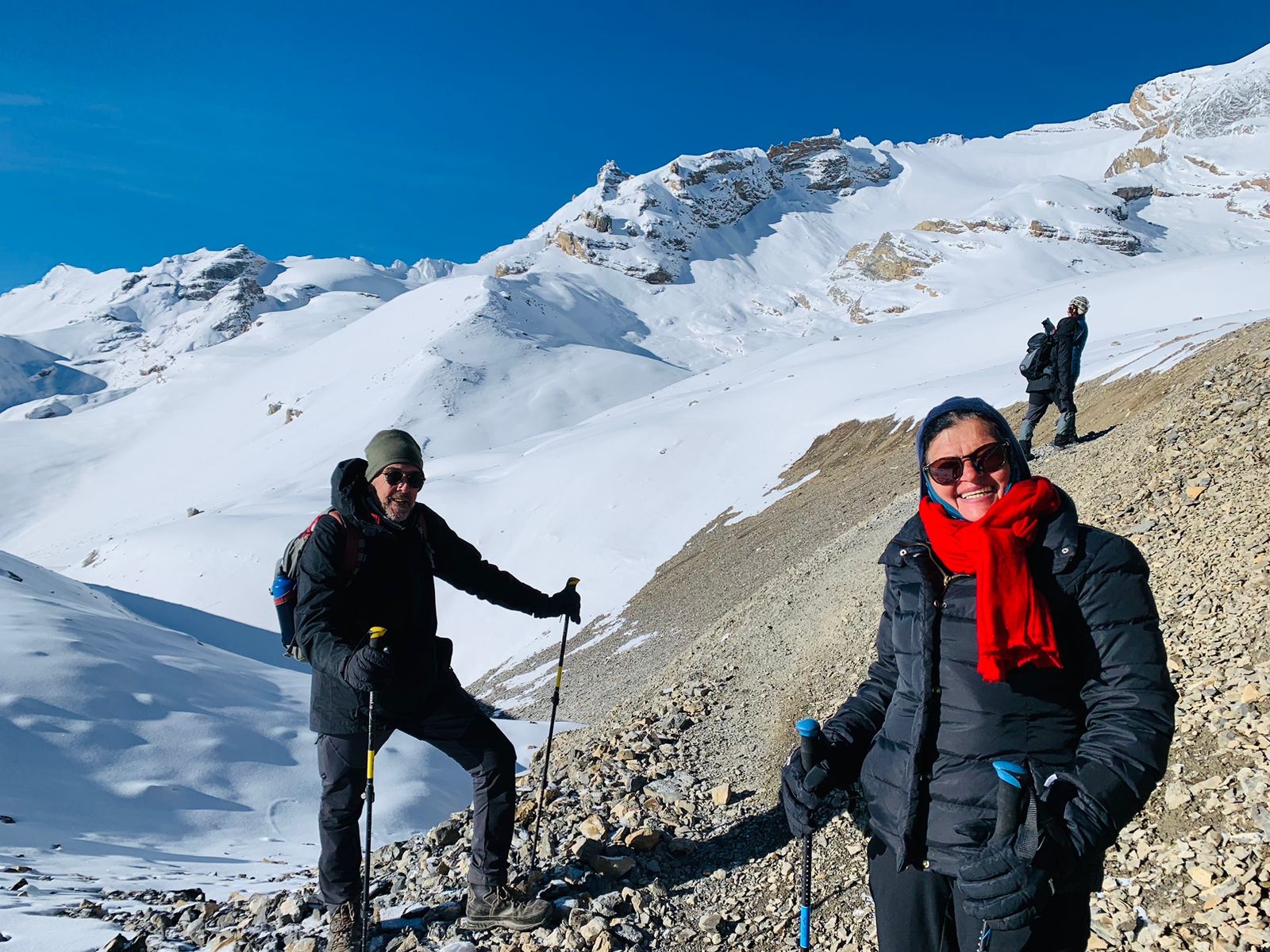
Essential Gear for Solo Trekking in Nepal
Packing the right gear is essential for a successful solo trek in Nepal. While the specific items may vary depending on the trek and time of year, here are some essentials:
- High-quality backpack: Choose a backpack that fits comfortably and can carry your gear efficiently.
- Tent and sleeping bag: For camping treks, a reliable tent and warm sleeping bag are crucial.
- Cooking equipment: If you plan to cook your meals, bring a stove, fuel, and cookware.
- Clothing: Pack layers for varying weather conditions, including waterproof and windproof gear.
- Footwear: Sturdy hiking boots are essential, along with comfortable sandals for rest days.
- Water purification: A reliable water filter or purification tablets are vital for staying hydrated.
- First aid kit: A well-stocked first aid kit is a must for any solo adventure.
- Navigation equipment: A map, compass, and GPS device can be helpful for staying on track.
- Headlamp: A headlamp is essential for navigating in low light conditions.
- Sunglasses and sunscreen: Protect yourself from the sun's rays, especially at higher altitudes.
Remember to pack light and prioritize essential items. Consider the weight and bulk of each item before including it in your backpack.
Physical and Mental Preparation for Your Nepal Solo Adventure
Solo trekking in Nepal demands both physical and mental preparation. Building endurance, strength, and stamina is crucial for tackling challenging trails. Incorporate cardio exercises, strength training, and hiking into your routine.
Mentally preparing for a solo adventure is equally important. Develop self-reliance, problem-solving skills, and a positive mindset. Practice mindfulness and meditation to enhance your focus and resilience. Understanding the potential challenges and rewards of solo trekking will help you stay motivated throughout your journey.
Safety Tips for Solo Trekking in Nepal
While Nepal is generally safe for solo travelers, it's essential to prioritize safety when trekking alone. Here are some crucial tips:
- Inform someone about your itinerary: Share your planned route, expected return date, and emergency contact information with family or friends.
- Travel insurance: Ensure you have comprehensive travel insurance that covers medical emergencies, evacuation, and trip cancellations.
- Altitude sickness prevention: Acclimatize gradually, drink plenty of fluids, and be aware of the symptoms of altitude sickness.
- Solo trekking permits: Familiarize yourself with permit requirements for your chosen trek and obtain necessary permits in advance.
- Respect local customs: Dress modestly, seek permission before taking photos of people, and be mindful of local traditions.
- Emergency communication: Carry a satellite phone or a reliable local SIM card for emergencies.
- Be prepared for weather changes: Pack appropriate clothing and gear, and be ready to adjust your plans based on weather conditions.
- Trust your instincts: If something feels wrong, don't hesitate to change your plans or seek help.
By following these safety guidelines, you can significantly reduce risks and enjoy a safer solo trekking experience in Nepal.
Challenges and Rewards of Solo Trekking in Nepal
Starting on a solo trek in Nepal is undoubtedly a rewarding experience, but it also comes with its challenges. Loneliness and decision-making can be daunting, but the independence, personal growth, and deep connection with nature make it all worthwhile.
Overcoming obstacles on your own fosters resilience and self-reliance. You'll learn to trust your instincts, adapt to changing circumstances, and celebrate your achievements. The solitude allows for introspection and a deeper appreciation for the natural world.
Practical Tips for Solo Trekkers in Nepal
To make the most of your solo trek, consider these practical tips:
- Join trekking groups: While solo trekking is the focus, joining group treks for certain sections can provide companionship and safety.
- Stay connected: Carry a reliable communication device to stay in touch with loved ones and access emergency services.
- Respect local culture: Immerse yourself in the local culture, interact with locals, and learn about their traditions.
- Capture memories: Bring a camera to document your journey and share your experiences with others.
- Be flexible: Be prepared to adapt your itinerary based on weather conditions, unexpected challenges, or personal preferences.
- Enjoy the journey: Focus on the process rather than the destination. Savor every moment and appreciate the beauty around you.
By embracing the challenges and following these tips, you'll have an unforgettable solo trekking experience in Nepal.
Conclusion
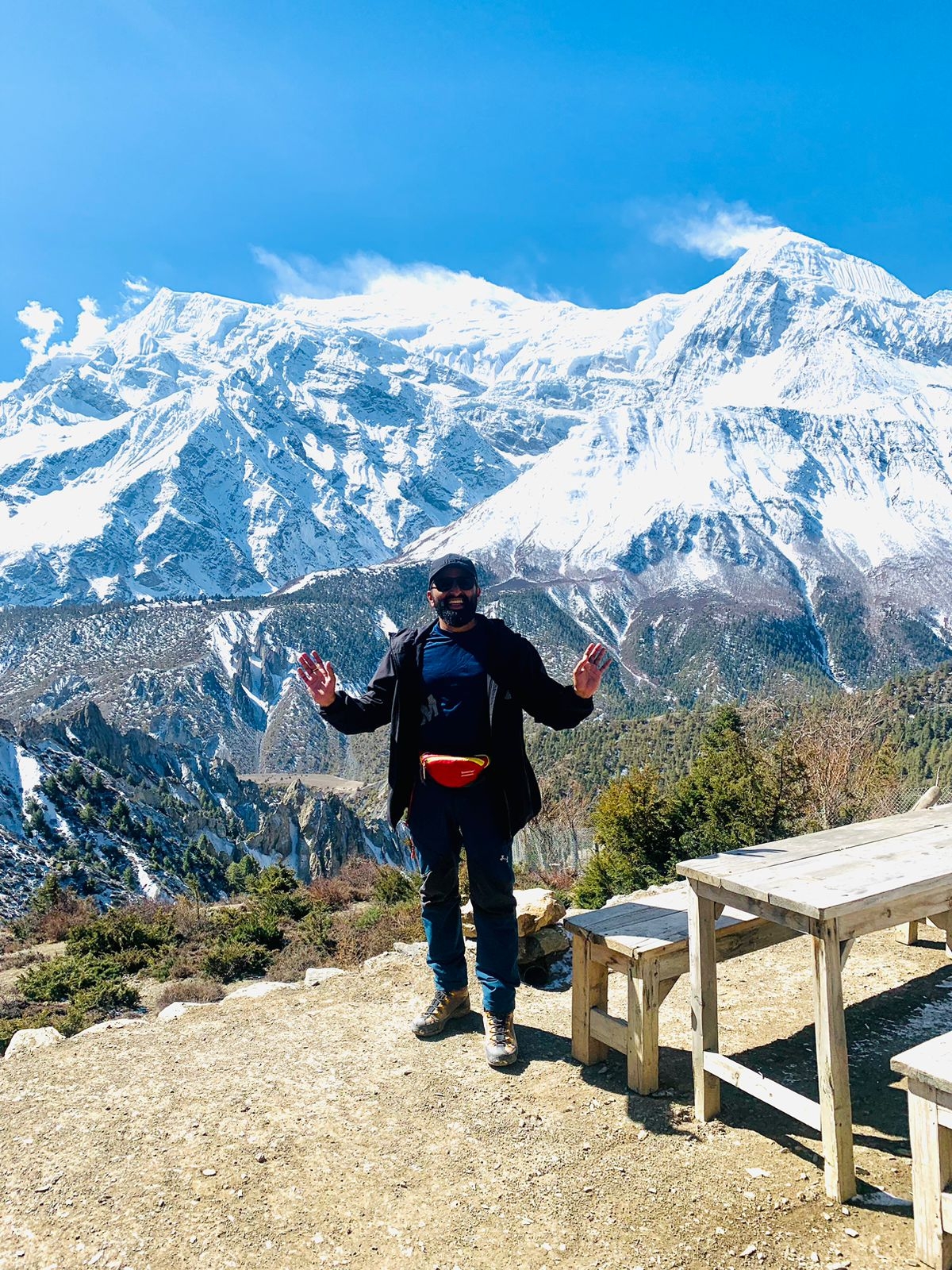
Solo trekking in Nepal is an extraordinary journey that offers unparalleled personal growth, freedom, and a deep connection with nature. While it requires careful planning and preparation, the rewards are immense. By embracing the challenges and immersing yourself in the breathtaking landscapes, you'll discover a newfound sense of self-reliance and adventure.
Nepal's diverse trekking trails, coupled with the warm hospitality of its people, create an ideal environment for solo exploration. So, pack your bags, trust your instincts, and embark on an unforgettable solo trek through the Himalayas.
Frequently Asked Questions about Solo Trekking in Nepal
Solo trekking in Nepal offers an incredible adventure, but it's natural to have questions. Here are some common queries:
- Is it safe to solo trek in Nepal?
Nepal is generally safe for solo travelers, but taking precautions is essential. Research your chosen route, inform someone about your itinerary, and adhere to safety guidelines.
- What's the best time to solo trek in Nepal?
The pre-monsoon (March to May) and post-monsoon (September to November) seasons offer the best weather for trekking. However, each season has its own charm.
- How much does a solo trek in Nepal cost?
The cost varies depending on the trek, duration, accommodation choices, and personal spending habits. Budgeting around $25-35 per day is a reasonable estimate.
- Do I need a guide for solo trekking in Nepal?
While not mandatory in all regions, hiring a guide can enhance your experience and provide valuable insights. However, due to recent regulations, solo trekking might be restricted in some areas. Check the latest guidelines before planning your trip.
This FAQ section provides a starting point, but it's essential to conduct thorough research and consider your specific needs and preferences.