Introduction
What is the Mardi Himal Trek?
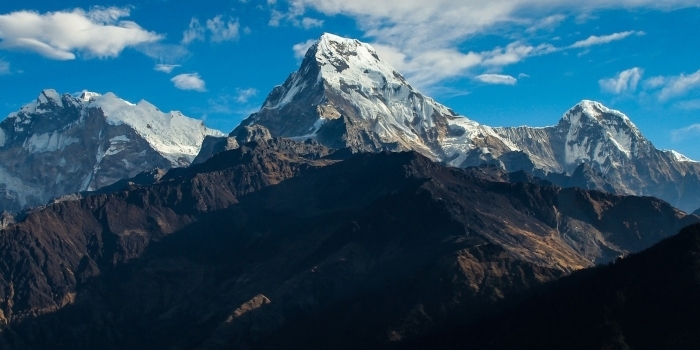
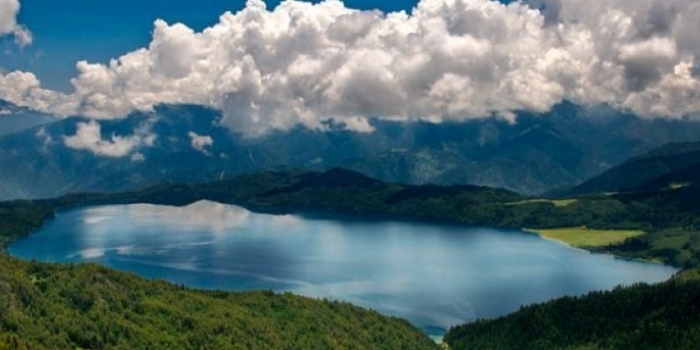
The Mardi Himal Trek is a relatively new trekking route in the Annapurna region of Nepal. It offers stunning mountain views, lush rhododendron forests, and charming teahouses. This trek is gaining popularity among trekkers due to its moderate difficulty level and off-the-beaten-path experience.
Why is it perfect for beginners?
The Mardi Himal Trek is an excellent choice for beginners as it offers a gradual ascent, well-maintained trails, and comfortable teahouse accommodations. Unlike other popular treks in the region, Mardi Himal is less crowded, allowing you to enjoy the tranquility of the Himalayas.
Best Time to Trek Mardi Himal
The best time to embark on the Mardi Himal Trek is during the spring (March-May) and autumn (September-November) seasons.
Spring offers a stunning display of rhododendron flowers, painting the mountain slopes in vibrant hues of pink, red, and purple. The weather is pleasant, with clear skies and mild temperatures.
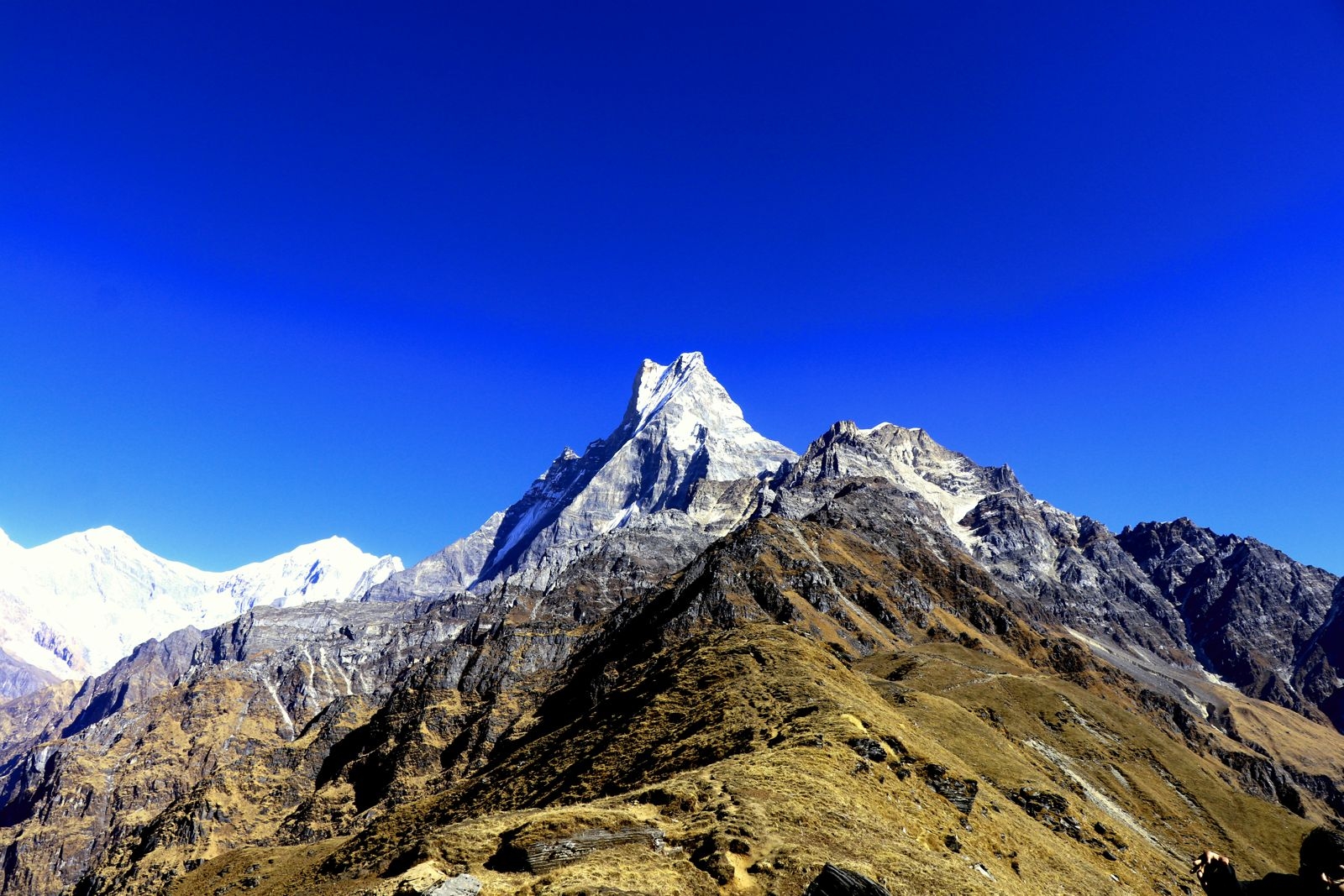
Autumn is another excellent time to trek, with clear skies and breathtaking panoramic views of the Annapurna range, including Machhapuchhre (Fishtail Peak) and Annapurna South.
While both seasons offer unique experiences, autumn is generally preferred for its clear weather and stunning vistas.
Difficulty Level and Physical Fitness
The Mardi Himal Trek is considered a moderate difficulty trek. It requires a good level of physical fitness, but it's definitely achievable for most people with a reasonable level of fitness.
To prepare for the trek, it's recommended to engage in regular cardiovascular exercises like hiking, running, or cycling. Building strength in your legs and core muscles is also beneficial.
The gradual ascent and well-maintained trails make the Mardi Himal Trek accessible to most people. However, it's important to listen to your body and take breaks when needed.
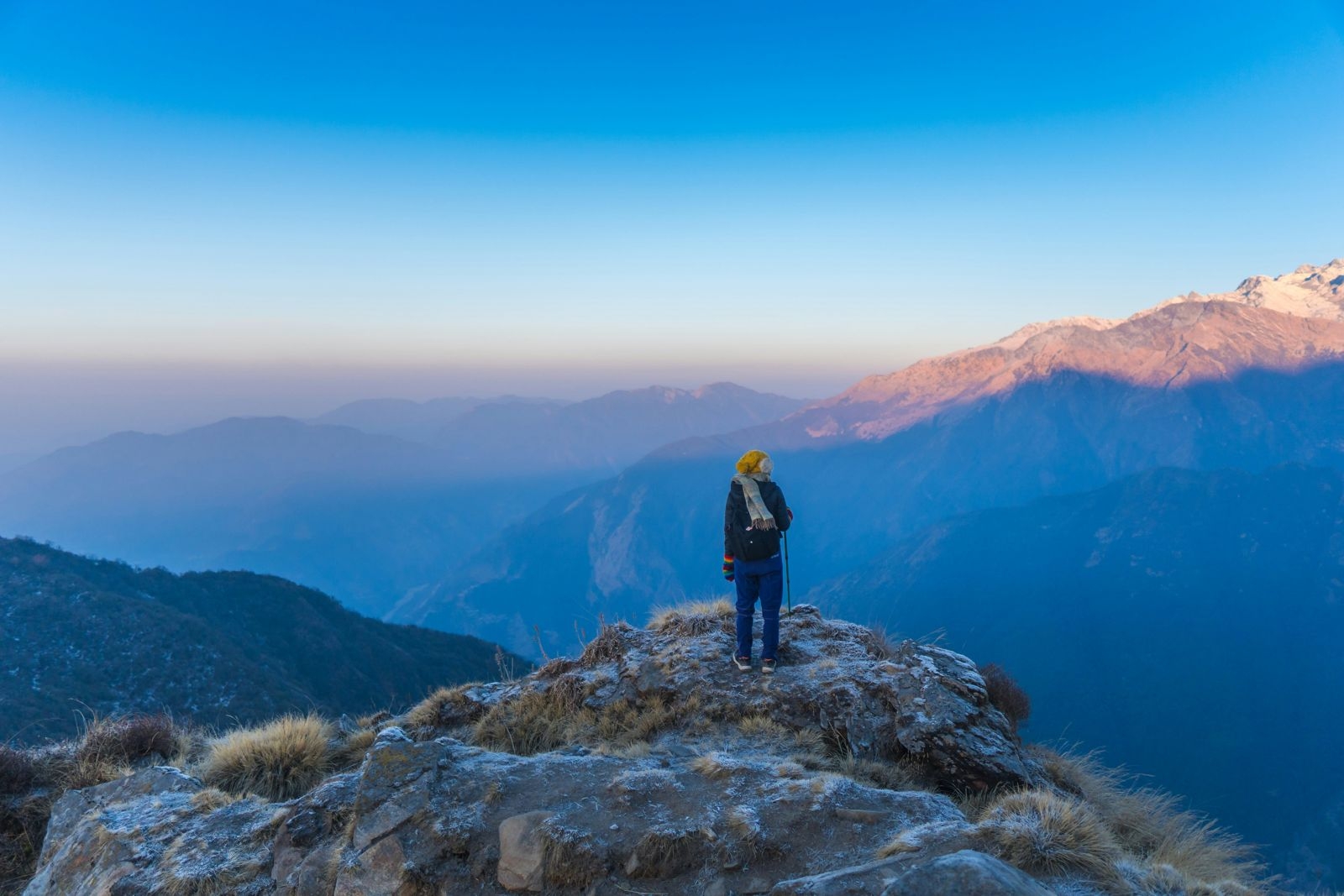
Itinerary: A 5-Day Trek
Here's a suggested 5-day itinerary for the Mardi Himal Trek:
Day 1: Pokhara to Phedi
- Transfer from Pokhara to Phedi (1,100m)
- Begin the trek through rhododendron forests
- Arrive at Forest Camp (1,900m)
Day 2: Forest Camp to High Camp
- Trek through dense forests and terraced fields
- Reach High Camp (3,300m) with stunning views of the Annapurna range
Day 3: High Camp to Mardi Himal Base Camp and back to Low Camp
- Early morning hike to Mardi Himal Base Camp (4,500m)
- Descend to Low Camp (3,100m) for the night
Day 4: Low Camp to Sidding and back to Pokhara
- Trek through rhododendron forests and villages
- Reach Sidding (1,700m)
- Return to Pokhara by vehicle
This itinerary offers a perfect balance of challenging ascents and rewarding descents. Remember, the itinerary can be adjusted based on your fitness level and preferences.
Essential Packing List
To ensure a comfortable and enjoyable Mardi Himal Trek, it's essential to pack the right gear. Here's a packing list to help you prepare:
Clothing:
- Waterproof and windproof jacket
- Warm fleece jacket
- Down jacket (for colder nights)
- Hiking pants
- Waterproof hiking boots
- Warm socks
- Base layers (thermal tops and bottoms)
- T-shirts
- Raincoat
- Hat and gloves
- Sunglasses
- Buff or neck gaiter
Gear:
- Backpack (40-50 liters)
- Trekking poles
- Water bottles
- Headlamp
- First-aid kit
- Sunscreen
- Lip balm
- Insect repellent
Documents:
- Passport
- Visa
- Trekking permit
- Insurance policy
Remember to pack light and prioritize essential items. You can rent or buy additional gear in Pokhara if needed.
Tips for First-Time Trekkers
To make the most of your Mardi Himal Trek, consider these essential tips:
Acclimatization
- Gradually ascend to higher altitudes to allow your body to adjust to the reduced oxygen levels.
- Listen to your body and take rest breaks when needed.
Hydration and Nutrition
- Drink plenty of water throughout the day, especially during physical exertion.
- Eat a balanced diet with plenty of carbohydrates, proteins, and healthy fats.
- Pack energy bars, nuts, and dried fruits for quick energy boosts.
Trekking Etiquette
- Respect local customs and traditions.
- Minimize your impact on the environment by disposing of waste responsibly.
- Be mindful of other trekkers and avoid overcrowding.
Safety Considerations
- Inform your accommodation about your trekking plans.
- Carry a first-aid kit and learn basic first-aid skills.
- Purchase comprehensive travel insurance.
- Be aware of potential risks like altitude sickness, hypothermia, and injuries.
By following these tips, you can ensure a safe and enjoyable Mardi Himal Trek.
Embrace the Beauty of Mardi Himal
The Mardi Himal Trek offers a unique opportunity to experience the beauty and tranquility of the Annapurna region. With its stunning mountain views, lush forests, and charming teahouses, this trek is a must-do for any adventure seeker.
Whether you're a seasoned trekker or a beginner, the Mardi Himal Trek is sure to leave you with unforgettable memories. So, what are you waiting for? Pack your bags and embark on this incredible journey!
Planning Your Mardi Himal Trek
Choosing a Tour Operator:
- Research: Look for reputable tour operators specializing in trekking in the Annapurna region.
- Reviews: Read reviews and testimonials from previous clients.
- Services: Consider the services offered, such as permits, accommodation, meals, guides, and porters.
- Cost: Compare prices and choose a package that fits your budget.
Booking Accommodations:
- Tea Houses: Most of the Mardi Himal Trek is teahouse trekking, meaning you can stay in teahouses along the trail.
- Reservations: It's advisable to book accommodations in advance, especially during peak seasons.
- Amenities: Check for amenities like hot water, electricity, and Wi-Fi.
Obtaining Permits:
- Trekking Permit: You'll need a Trekking Permit (TIMS card) to trek in the Annapurna region.
- Local Permits: Some areas may require additional local permits.
- Tour Operators: Your tour operator can usually handle the permit process on your behalf.
Packing Your Backpack:
- Essential Gear: Pack essential items like a backpack, hiking boots, warm clothing, rain gear, and a first-aid kit.
- Packing List: Refer to the detailed packing list provided earlier in this guide.
- Weight Limits: Be mindful of weight limits for porters, if you're hiring them.
Insurance:
- Travel Insurance: Purchase comprehensive travel insurance that covers medical emergencies, trip cancellations, and loss of luggage.
By following these guidelines and considering your individual needs, you can plan a successful and unforgettable Mardi Himal Trek.
Frequently Asked Questions (FAQs)
Q: Is the Mardi Himal Trek suitable for solo travelers?
A: Yes, the Mardi Himal Trek is a great option for solo travelers. You can join group treks or hike independently. However, it's essential to be prepared and take necessary precautions, such as informing your accommodation about your itinerary and carrying a personal locator beacon (PLB).
Q: What is the cost of the Mardi Himal Trek?
A: The cost of the Mardi Himal Trek can vary depending on factors like group size, guide and porter fees, accommodation, permits, and transportation. On average, you can expect to spend between $500 to $800 per person.
Q: Do I need a guide for the Mardi Himal Trek?
A: While it's not mandatory, hiring a guide can enhance your trekking experience, especially if you're a first-time trekker. A guide can provide valuable insights into the local culture, history, and ecology. They can also assist with navigation, accommodation bookings, and emergency situations.
Q: What is the altitude of Mardi Himal Base Camp?
A: Mardi Himal Base Camp is located at an altitude of 4,500 meters (14,764 feet).
Q: Can I trek to Mardi Himal with kids?
A: While it's possible to trek to Mardi Himal with kids, it's important to assess their fitness level and acclimatization abilities. Younger children may find the higher altitudes challenging, so it's advisable to consult with a doctor before planning the trek.
If you're planning to trek with kids, consider a shorter itinerary and focus on lower altitude areas.